Who We Are
Ofrecemos servicios TIC para mejorar la seguridad contra incendios, la seguridad humana y la seguridad eléctrica a nivel global, garantizando el cumplimiento y reduciendo riesgos.
Ofrecemos análisis de contenido de humedad y composición química para agentes químicos secos. NFPA exige que el agente químico seco se verifique minuciosamente para comprobar su tipo, contaminación y estado correctos antes de su reutilización y recarga.
Dry chemical agents are a critical component of many fire suppression systems, but moisture, contamination, vibration, temperature fluctuations, and storage conditions can affect their physical properties over time. These changes may lead to caking, clumping, reduced flowability, and impaired system performance during a fire event.
Dry chemical testing provides objective data on agent condition, helping identify deterioration, contamination, or other performance concerns. Results support maintenance, replacement, and system reliability decisions, while helping organizations maintain compliance with applicable NFPA inspection, testing, and maintenance requirements. Periodic testing can identify potential issues before an emergency occurs, supporting fire protection readiness, system reliability, and life safety objectives.
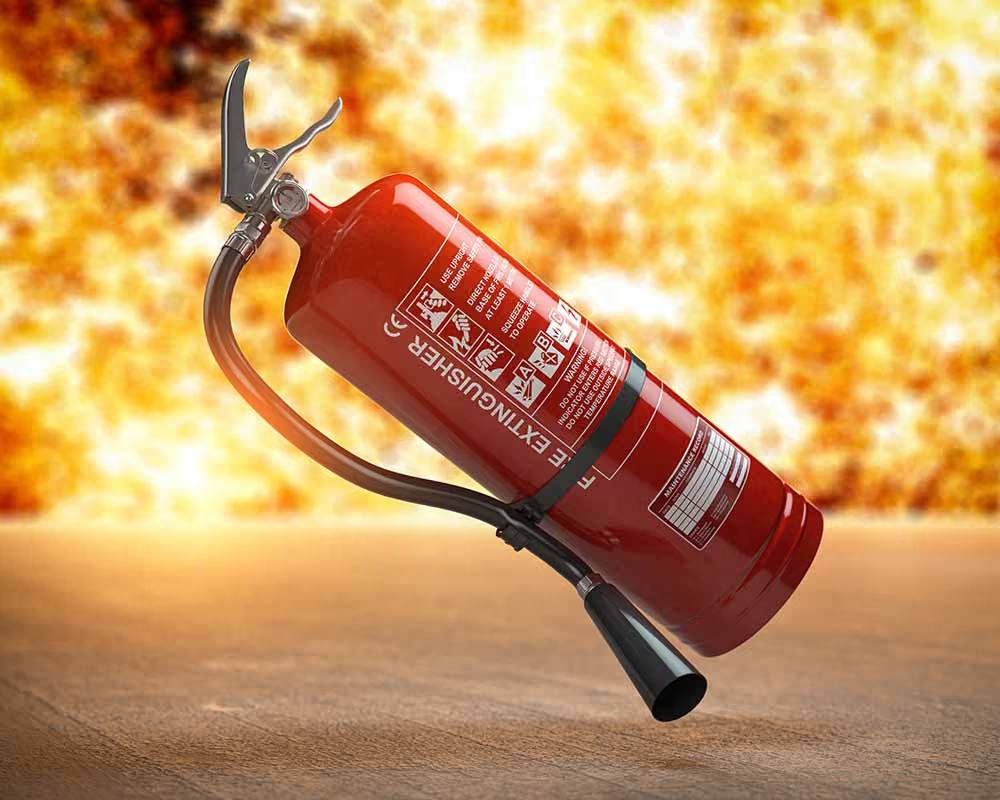
NFPA standards require that dry chemical fire suppression systems be maintained and inspected to confirm the extinguishing agent remains in a serviceable condition throughout its operational life. Moisture intrusion, vibration, contamination, improper storage, and age can affect agent properties, potentially impacting system performance during a fire event.
Periodic laboratory testing helps verify that dry chemical agents continue to meet the manufacturer's specifications and applicable standards for chemical composition and moisture content. Testing provides objective data to support maintenance decisions, regulatory compliance, and confidence that the system will perform as intended when needed.
Key Capabilities Include:
Standard Turnaround: 5-business days
Expedited Testing Available: Contact us for pricing.
Quantity Needed
1 kit = 1 sample
2 kits = 2 samples
3 kits = 3 samples
Applicable Testing
Kit Includes
Shipping Information
Ground shipping to you is included, as well as return labels (UPS/USPS) within the contiguous United States (limited free 1-way shipping to Alaska, Hawaii, Puerto Rico, and Canada; inquire for details). Expedited shipping is available at your cost.
Dry Chemical Agent Testing helps reduce risk by verifying that fire suppression agents remain in serviceable condition and capable of performing as intended during a fire event. Over time, dry chemical agents can become contaminated, absorb moisture, compact, or experience chemical degradation that may impact flow characteristics, discharge performance, and extinguishing effectiveness. Left unchecked, these conditions can compromise system reliability and increase the risk of suppression system failure when protection is needed most.
Laboratory analysis provides objective data on critical agent properties, including moisture content, chemical composition, and overall condition. This information allows owners, contractors, and facility managers to make informed maintenance, recharge, replacement, and lifecycle management decisions before performance issues affect system operation. Testing also supports compliance with applicable NFPA requirements, including NFPA 17, which requires periodic evaluation and maintenance of dry chemical extinguishing systems, and NFPA 10 requirements related to the condition and serviceability of dry chemical extinguishing agents.
By proactively identifying agent degradation, contamination, or other performance concerns, Dry Chemical Agent Testing helps protect system reliability, support regulatory compliance, and ensure fire suppression systems remain ready to perform when called upon to protect life and property.
Dyne is ISO 9001 Certified
We test all types of dry chemical (ABC, BC/Regular, Purple K, etc.)
Our dry chemical kit contains a 60 ml moisture-proof sample container. Please make sure your sample fills the container so testing can be completed properly. If you are not using our sample kit, please send a sample that is equal to or greater than 60 ml.
Test results are delivered via email within 5 business days or less from the receipt of the sample(s).
You can contact our lab directly to discuss your testing needs at 800-632-2304.
El contenido del acordeón aparecerá aquí
It is the responsibility of the property owner or designated representative to ensure the sample information provided is correct and to correct deficiencies or impairments, including identifying and replacing any recalled products. The results relate only to the sample(s) tested using a limited number of laboratory-scale methods and do not guarantee the system will operate properly.
For more information, please review our Legal Notice page.
Dyne Fire Protection Labs, an NFPA Global Solutions Company, provides independent laboratory testing for dry chemical fire suppression agents used in fire protection systems. Over time, moisture exposure, caking, contamination, vibration, and aging can affect agent performance. Laboratory testing helps verify that the dry chemical agent continues to meet the manufacturer's specifications and remains capable of proper discharge and fire suppression performance when needed.
Our testing services evaluate critical agent characteristics, including moisture content and chemical composition. The resulting data provides system owners, contractors, and authorities having jurisdiction with objective information to support maintenance, compliance, and system reliability decisions.
Testing Advantages:
In addition to evaluating an agent's current condition, testing can be used to establish a performance baseline, support maintenance programs, and verify the effectiveness of corrective actions taken after contamination, moisture intrusion, or other service-related concerns. This can provide continued confidence in the readiness and reliability of dry chemical fire suppression systems.
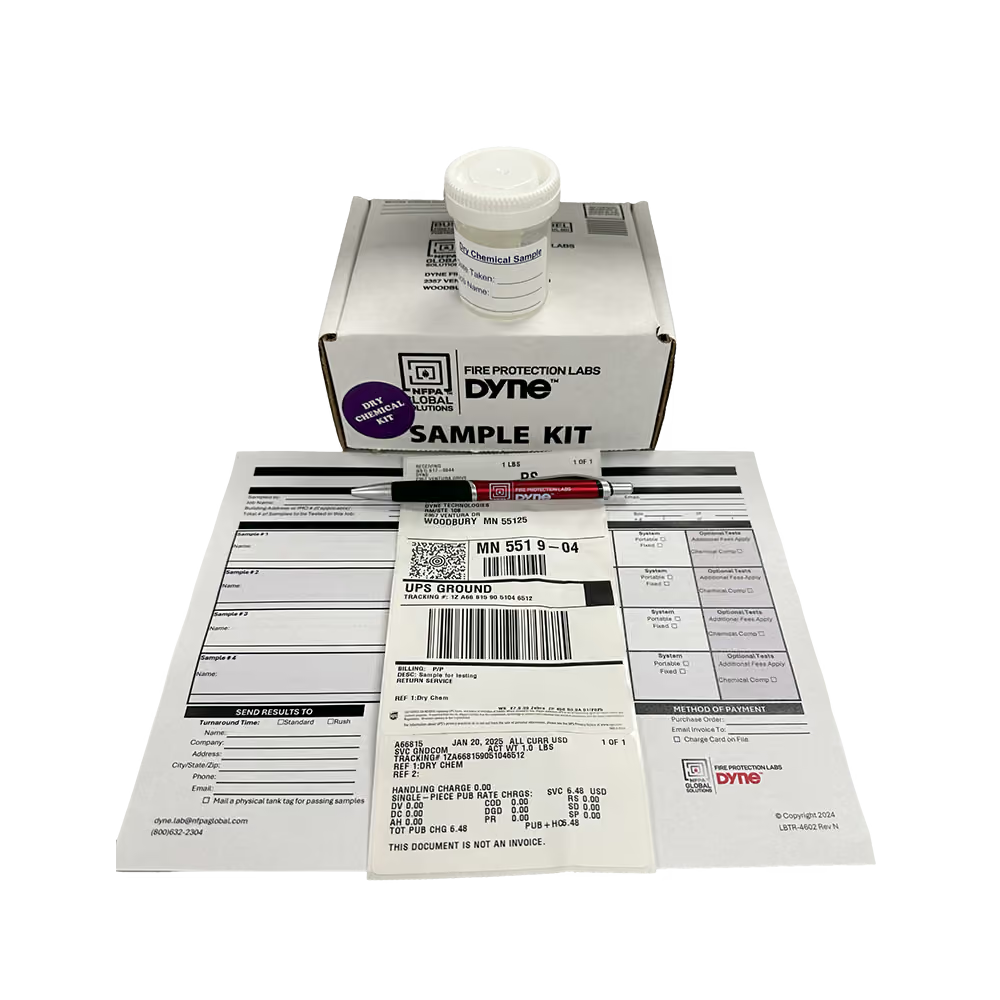
Order Your Dry Chemical Agent Kit